
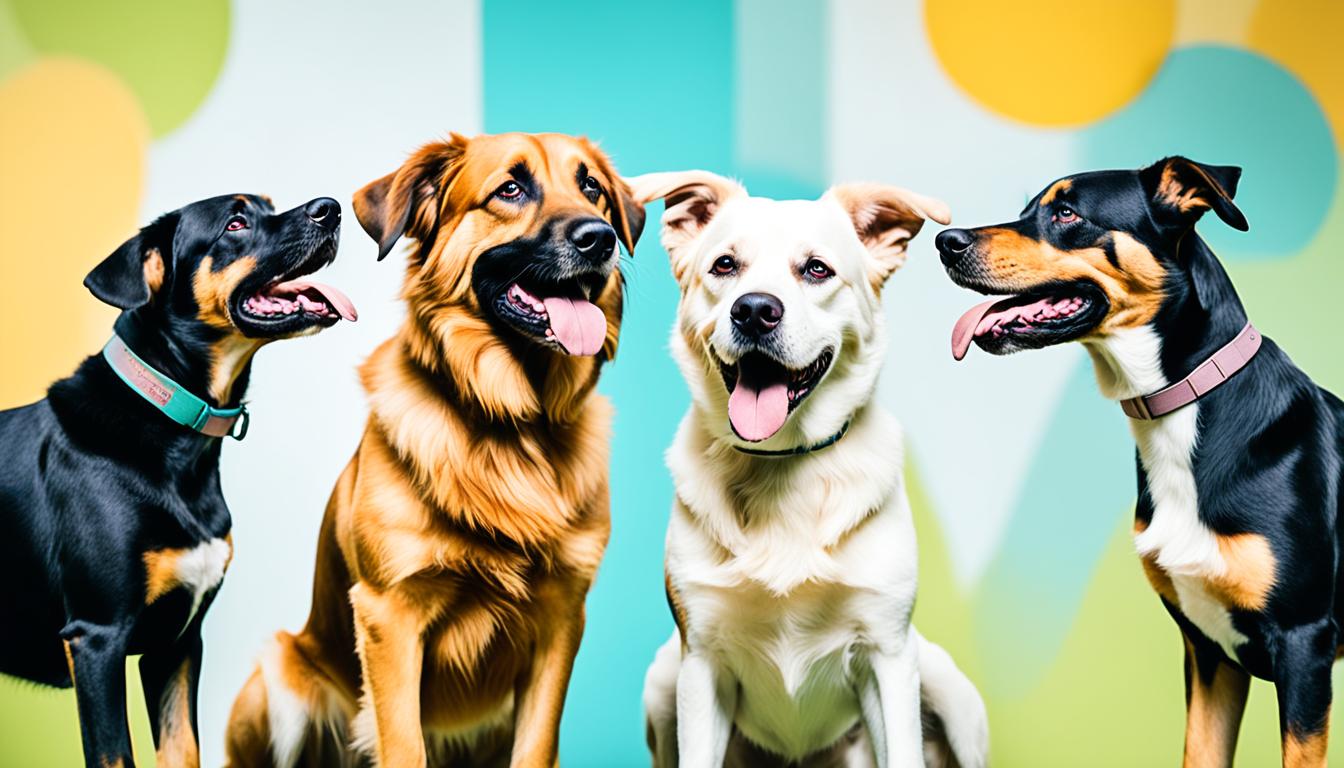
Ever thought your dog might be trying to tell you something with those odd tail wags and head tilts? Dogs communicate a lot through body language, just like humans do. Learning to read their signals can really improve your bond with your pet. It helps you understand their behavior better and strengthens your connection.
Every little gesture, from posture changes to facial expressions and tail movements, tells us something. Studies show that dogs have complex ways to share their feelings and needs. Experts like vets and animal behaviorists say knowing these signs can clear up confusion and help us understand our pets better.
Quick Recommendation: Our blog is filled with tips and tricks for training your puppy or dog. If you're seeking a comprehensive training program, we recommend K9 Training Institute.
Why Understanding Canine Body Language is Important
Knowing how dogs communicate is key for keeping pets safe. When you get what your dog is trying to say, you can avoid fights. This knowledge is vital for keeping you and your dog safe.
Getting dog behavior right helps you and your pet bond more. By understanding their signs, you can react the right way. This builds a strong, trusting bond based on good communication.

Good communication through body language keeps everyone safe. Studies show that when dogs feel understood, they act better. This means you can stop problems before they start.
Research shows that knowing dog signals makes a safer home. By understanding dogs, you lower the chance of accidents. This lets your pet feel safe and happy.
Common Signs and What They Mean
Understanding your dog’s body language can make your bond stronger. For example, a wagging tail often means happiness. But, the speed and position of the wag can tell you more. A slow, low wag might show caution, while a fast, high wag means excitement.
Ear positions also tell a lot about how your dog feels. Ears up usually mean they’re alert or curious. Ears back might show fear or submission. Paying attention to these can help you understand your dog’s feelings better.

Eye contact is also important. Direct eyes can mean a challenge or communication. If your dog looks away, it might be showing submission or discomfort. But steady, relaxed eye contact usually means trust and love.
These signs can tell you if your dog is happy, scared, aggressive, or submissive. Studies on dog behavior and interviews with animal behaviorists stress their importance. Learning to read your dog’s tail, ears, and eyes can make you more in tune with their needs.
Recognizing Stress Signals in Dogs
It’s key to spot stress signs in dogs to keep them happy. Signs include yawning, licking lips, and pacing. These are early warnings of anxiety in dogs.
Knowing how to act when you see these signs can stop things from getting worse. If your dog seems stressed, stay calm. This helps calm them down and stops their anxiety from growing.
Changing the environment can also help reduce stress. Make a quiet, safe spot for your dog to go when they feel too much. Many vet studies talk about how to manage animal stress.
Studies in animal therapy and rehab show how important it is to notice and deal with stress in dogs. Adding calming signals to your daily life can really help manage your dog’s anxiety.

Lastly, guides on making a home safe for dogs say that stress-relief practices help a lot. By understanding and acting on stress signals, you can make sure your pet is happy and stress-free.
Quick Recommendation: Our blog is filled with tips and tricks for training your puppy or dog. If you're seeking a comprehensive training program, we recommend K9 Training Institute.
How to Interpret Happy Dog Behaviors
Understanding your dog’s happy signs can make your bond stronger. Look for a wagging tail, play bows, and soft faces. These show they’re happy and feel safe.

Encourage these happy actions to keep your dog joyful. If your dog shows play signals, play fetch or give them a favorite toy. Rewarding these actions helps make your pet happier.
Know the difference between playful and too excited. Too much excitement can be stressful. By keeping your dog calm, you help them stay emotionally balanced.
Research shows that knowing when your dog is happy is key for their mental health. Paying attention to your dog’s feelings can greatly improve their life. It helps them stay happy and healthy.
The Role of Vocalizations in Canine Communication
Understanding how dogs use sounds to communicate is crucial. Dogs use barking, whining, growling, and howling to express their feelings and needs. Each sound means something different, based on the situation and how it’s said.
Dogs bark for many reasons. A high-pitched bark might show excitement or a need for attention. A low bark could mean they feel threatened or uncomfortable. Knowing these differences helps you understand what your dog needs.

Whining and howling are also key ways dogs communicate. Whining can mean they’re anxious, scared, or want something. For example, they might whine to go outside or because they’re lonely. Howling is often a call for attention or a response to certain sounds.
Studies on dog sounds show that the situation matters a lot. The same whine can mean different things in different places. For example, it might mean they’re scared in front of strangers but happy during play. The tone of the sound also changes the message.
Experts say it’s important to know how to respond to dog sounds. If a dog barks a lot, they might need more comfort or safety. But, howling can just be a normal way for them to communicate. Learning to tell the difference helps you connect better with your dog.
Quick Recommendation: Our blog is filled with tips and tricks for training your puppy or dog. If you're seeking a comprehensive training program, we recommend K9 Training Institute.
At-Home Training: Teaching Your Dog to Understand You
Teaching your dog at home is key to good communication. Simple tips like being consistent, using positive reinforcement, and being patient help a lot. Begin with basic commands like “sit,” “stay,” and “come.” Use clear voice cues and body language to make these commands clear.
Body language is very important when talking to dogs. Stand up straight and look confident when giving commands. Give your dog treats or praise right away when they do what you ask. This helps them understand what you want.
Experts say repeating things and being consistent is crucial. Using positive rewards helps your dog learn and remember what you want. Studies show dogs learn faster with quick, positive feedback.
Make training part of your daily life. For example, practice “stay” before meals to help with feedings. Owners of well-trained dogs say training every day makes them understand better and strengthens your bond.
Misinterpretations and Common Mistakes
Many dog owners misread their pets’ behavior due to wrong ideas. One big myth is thinking a wagging tail always means happiness. But, it really depends on the situation—sometimes it shows anxiety or aggression. It’s important to know these differences to keep your dog happy and healthy.
Another mistake is thinking a growling dog is always mean. Sometimes, growling can mean a dog is scared or uncomfortable, not just angry. Knowing this can help you understand your dog better and meet their needs.
It’s also key to know when your dog is stressed, like when they lick their lips or yawn. Misreading these signs can make stressful situations worse for your dog. Learning about these signs helps you handle situations better and strengthens your bond with your dog.
To fight dog behavior misreading, check out articles by experts on animal behavior. These articles give great insights into what dogs really mean when they act certain ways. Also, reading about common mistakes dog owners make can help you fix misunderstandings. This way, you’ll get better at understanding your dog and building a stronger relationship.
The main aim is to really get what your dog is trying to tell you. By fixing these misunderstandings and avoiding wrong ideas, you’ll make a happier place for you and your pet.
Using Body Language to Strengthen Your Bond
Understanding your body language can change how you bond with your dog. Dogs are great at reading non-verbal cues. So, your movements and posture tell your dog a lot. To build trust, use actions that make your dog feel secure and understood.
Actions like kneeling down or having a relaxed posture help a lot. These actions show your dog you’re friendly and approachable. It makes bonding easier. Non-verbal cues like a gentle touch or calm demeanor also help build trust. They make your dog feel safe and loved.
Do activities that help you communicate and bond better. Playing is a fun way to bond and use non-verbal cues. Training sessions are also great because they need clear body language and signals. These activities help you practice clear communication with your dog, making your bond stronger.
When to Seek Professional Help
Understanding your dog’s body language is key, but sometimes you need expert help. If your dog shows constant aggression or fear, it might mean deeper issues. These problems need help from professionals.
Professional dog trainers and animal behaviorists can be a big help. They know how to find and fix the root of your dog’s problems. They offer custom advice and training that can really change things for the better.
When finding a pro, check their credentials. Look for groups like the International Association of Animal Behavior Consultants (IAABC) and the Certification Council for Professional Dog Trainers (CCPDT). These groups make sure the experts are qualified. Working with certified pros means you get reliable help.
Many success stories show how experts can change a dog’s behavior. They help with things like reducing anxiety or stopping aggression. Stories often tell how these experts turned big problems into smaller ones.
For more info on animal behavior, check out groups like the American College of Veterinary Behaviorists (ACVB) and the Association of Professional Dog Trainers (APDT). They list experts and share info to help you get to know your dog better.
Conclusion
This article has shown us the complex world of how dogs communicate. By understanding their body language, we can make our dogs happier and healthier. It’s important to know when they are stressed, happy, or trying to tell us something.
Experts tell us that knowing this is key for a good relationship with our dogs. When we understand our dogs better, we can meet their needs better. This leads to a stronger bond with our pets.
Learning more about how dogs communicate is an ongoing process. By paying attention to our dogs and interacting with them thoughtfully, we can deepen our connection. This makes our dogs feel safe and understood. Taking care of our dogs well brings happiness and peace to both of us.
Quick Recommendation: Our blog is filled with tips and tricks for training your puppy or dog. If you're seeking a comprehensive training program, we recommend K9 Training Institute.